


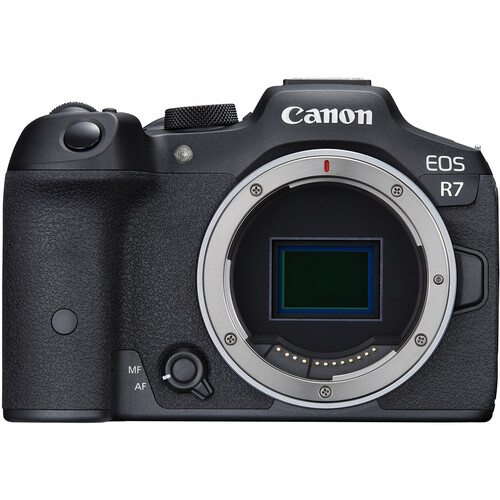




Canon EOS R7 Body
Key Features:
- Sensor: 32.5 Megapixel APS-C CMOS sensor.
- Processor: DIGIC X image processor.
- Autofocus: Dual Pixel CMOS AF II with 651 AF points.
- ISO Range: 100-32,000 (expandable to 51,200).
- Burst Shooting: Up to 15 frames per second (fps) with mechanical shutter, and up to 30 fps with the electronic shutter.
- Video Recording: 4K video at up to 60p, Full HD at up to 120p.
- In-body Image Stabilization (IBIS): Up to 8
$1,239.00 $1,300.00
The Canon EOS R7, part of Canon’s mirrorless lineup, has been generating significant buzz among photography enthusiasts and professionals alike. As a successor to the popular EOS 7D series, the R7 brings advanced features and a refined design, making it an excellent choice for those looking to upgrade their gear. This review delves into the key aspects of the Canon EOS R7 body, highlighting its build, performance, and standout features.
Build and Design
The Canon EOS R7 features a robust and ergonomic design, characteristic of Canon’s high-quality craftsmanship. The body is constructed with a magnesium alloy chassis, providing durability while maintaining a relatively lightweight profile. It weighs approximately 612 grams, making it comfortable for extended shooting sessions without causing significant fatigue.
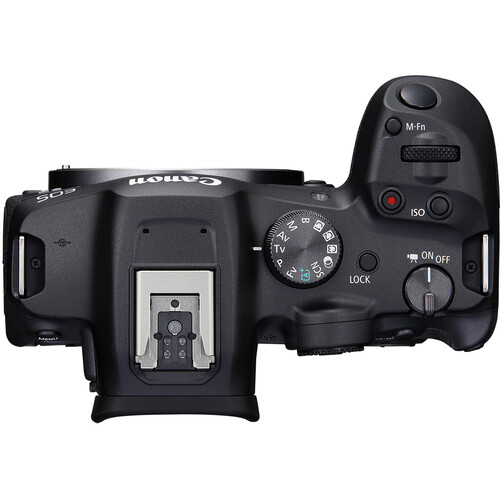
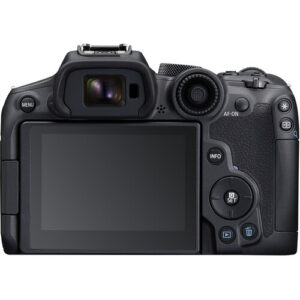
The camera’s grip is well-contoured, offering a secure and comfortable hold, even for users with larger hands. The control layout is intuitive, with buttons and dials placed for easy access. The top panel houses a mode dial, control dials, and a status LCD, enabling quick adjustments and seamless operation. The inclusion of a joystick and a touch-sensitive rear LCD enhances navigation through the camera’s menu and settings.
The EOS R7 is weather-sealed, offering protection against dust and moisture. This feature is particularly beneficial for outdoor and adventure photographers who often find themselves shooting in challenging conditions. The electronic viewfinder (EVF) boasts a high resolution, providing a clear and detailed view, which is crucial for composing shots accurately.
Sensor and Image Quality
At the heart of the Canon EOS R7 is a 32.5-megapixel APS-C CMOS sensor, paired with the DIGIC X image processor. This combination delivers impressive image quality with excellent detail, dynamic range, and low noise performance. The sensor’s high resolution allows for significant cropping flexibility, making it ideal for wildlife and sports photography where subjects may be distant.
The R7’s native ISO range of 100-32,000 (expandable to 51,200) ensures versatility in various lighting conditions. Low-light performance is commendable, with minimal noise even at higher ISO settings. The camera’s color reproduction is accurate, and the images exhibit Canon’s signature vibrant yet natural look.
Autofocus and Performance
One of the standout features of the Canon EOS R7 is its advanced autofocus system. The camera employs Canon’s Dual Pixel CMOS AF II technology, offering fast and precise autofocus performance. With 1,053 AF points covering a wide area of the frame, the R7 ensures accurate subject tracking and focus acquisition. The AI-powered deep learning algorithm enhances subject detection, making it particularly effective for tracking moving subjects such as birds, animals, and athletes.
The camera’s continuous shooting speed is impressive, capable of up to 15 frames per second (fps) with the mechanical shutter and up to 30 fps with the electronic shutter. This high-speed performance is complemented by a deep buffer, allowing for extended bursts without slowdown. These features make the EOS R7 a powerful tool for action and sports photography.
Video Capabilities
The Canon EOS R7 is not just a still photography powerhouse; it excels in video production as well. It supports 4K video recording at up to 60 fps and Full HD recording at up to 120 fps, providing flexibility for various video projects. The camera utilizes the full width of the sensor for 4K recording, ensuring high-quality footage without a crop factor.
Canon’s renowned Dual Pixel AF is available during video recording, ensuring smooth and accurate focus transitions. The R7 also offers Canon Log 3 and HDR PQ support, providing advanced color grading options for professional videographers. Additionally, the camera includes in-body image stabilization (IBIS), which works in tandem with lens stabilization to produce steady and smooth video footage.
Connectivity and Battery Life
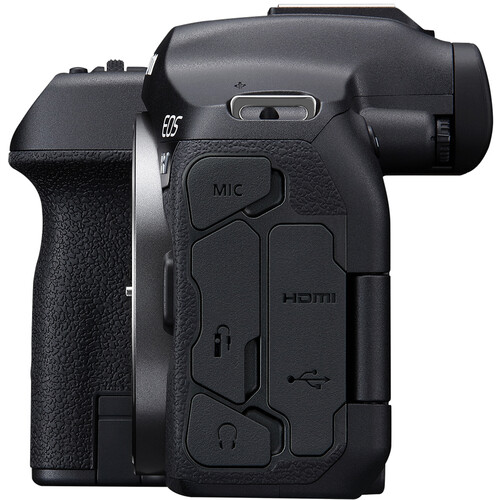
Connectivity options on the EOS R7 include Wi-Fi and Bluetooth, enabling seamless image transfer and remote camera control via the Canon Camera Connect app. The camera features a USB-C port for fast data transfer and charging, an HDMI output for external monitors, and a microphone and headphone jack for audio recording and monitoring.
Battery life is another strong suit of the EOS R7. The camera is powered by the LP-E6NH battery, which offers a respectable number of shots per charge. Additionally, the USB-C port allows for on-the-go charging, making it convenient for extended shooting sessions.
| Weight | 0.612 kg |
|---|


There are no reviews yet.